How to Master (PLG) Product-Led Growth for SaaS Companies
In the fast-paced and competitive SaaS industry, driving success and achieving rapid revenue growth is a priority for companies. One strategy that has been gaining momentum focuses on putting the…
The Ultimate Guide to Product-Led Growth (PLG) in the SaaS Industry: How to Drive Success with a Product-Led Sales Growth Model
In the fast-paced and competitive SaaS industry, driving success and achieving rapid revenue growth is a priority for companies. One strategy that has been gaining momentum focuses on putting the product itself at the forefront of the acquisition process, a core aspect of the PLG model.
But how can you effectively adopt and implement this approach to accelerate your business growth? In this comprehensive guide, we will unravel the secrets behind this method in the SaaS industry.
We’ll explore the key principles, strategies, and tactics you need to know to leverage your product as the main driver of growth through a product-led growth (PLG) model. From building a product-centric organizational culture to designing exceptional user experiences, we will outline practical steps you can take to optimize your acquisition and retention efforts.
Whether you’re a seasoned entrepreneur or new to SaaS, this ultimate guide will equip you with the knowledge and insights to propel your business to new heights.
What is product-led growth for SaaS?
Product-led growth (PLG) is a strategy that uses the product itself as the main driver for customer acquisition, retention, and expansion. Unlike traditional sales-led models that rely on sales teams, a product-led approach focuses on delivering a compelling user experience (UX) to attract and engage customers organically. By showcasing the product’s value and usability, PLG makes it easier for users to discover, try, and purchase the service.
Central to this strategy are free trials or freemium models, which let potential customers experience the product’s benefits before committing. This hands-on interaction boosts conversion rates, creating a self-sustaining growth cycle.
SaaS companies adopting a product-led model often see higher user satisfaction and conversion rates. By prioritizing the product experience, they build a loyal customer base, increase referrals, and gain a competitive edge. In today’s market, where customers expect seamless digital experiences, shifting focus from sales to product has become more relevant than ever.
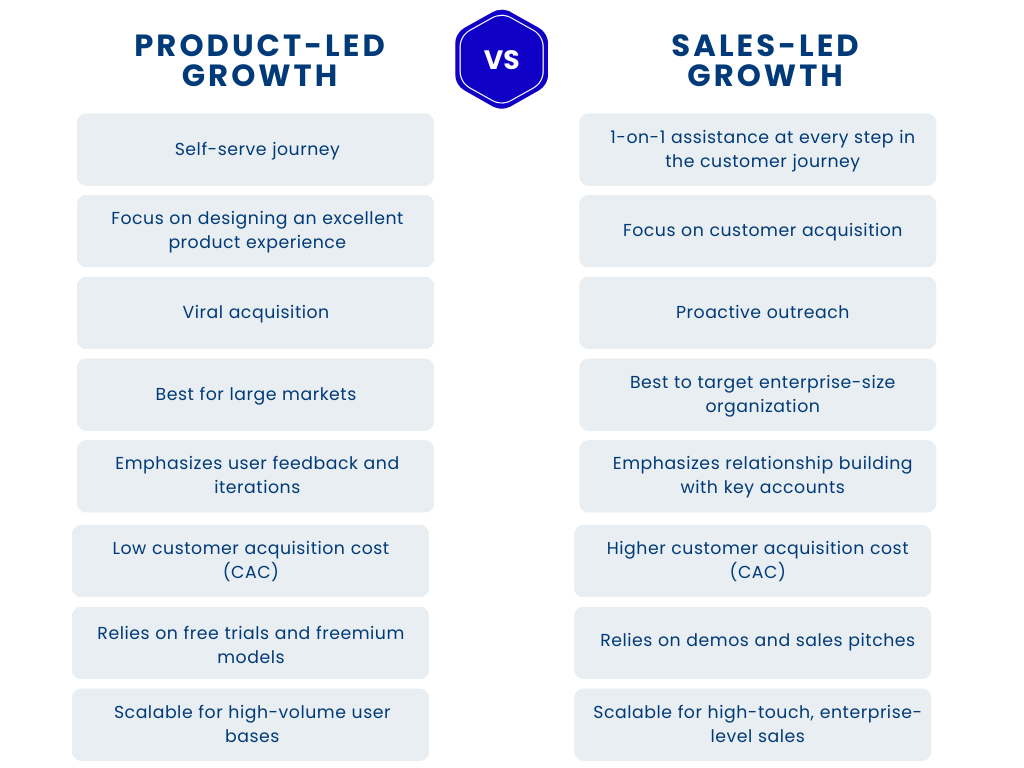
Product-Led Growth vs. Sales-Led Growth
Which Strategy Is Right for Your SaaS Business?
In the SaaS industry, understanding the distinctions between Product-Led Growth (PLG) and Sales-Led Growth (SLG) is crucial for selecting the most effective go-to-market strategy for your business.
Sales-led companies typically rely on sales reps to drive customer acquisition through direct outreach, personalized demos, and relationship-building. In contrast, a product-led approach focuses on showcasing the product’s value directly to users, allowing the product itself to be the primary driver of growth. By recognizing the differences between these go-to-market models, businesses can choose the approach that aligns best with their goals and target audience.
Product-Led Growth (PLG):
PLG centers on the product as the primary driver of customer acquisition, retention, and expansion. This approach emphasizes delivering exceptional UX that encourage organic adoption and engagement. Key characteristics of PLG include:
- Self-Service Model: Users can explore and experience the product independently, often through free trials or freemium models.
- User-Centric Design: The product is designed to be intuitive and valuable, minimizing the need for extensive sales interactions.
- Data-Driven Iteration: Continuous improvement is guided by user feedback and behavior analytics.
Sales-Led Growth (SLG):
SLG relies on a proactive sales team to drive customer acquisition and revenue. This model is characterized by:
- Personalized Outreach: Sales representatives engage potential customers through direct communication, such as calls and meetings.
- Relationship Building: Emphasis is placed on developing strong customer relationships to facilitate sales.
- Longer Sales Cycles:
The process often involves multiple touchpoints and negotiations before closing a deal.
Key Differences:
- Customer Journey: PLG offers a self-guided experience, allowing users to discover value at their own pace, whereas SLG provides a guided journey through direct sales interactions.
- Scalability: PLG can scale more efficiently due to its self-service nature, while SLG may require scaling the sales team proportionally to growth.
- Cost Structure: PLG often incurs lower customer acquisition costs by leveraging the product itself as a marketing tool, whereas SLG involves higher costs associated with maintaining a sales force.
For SaaS companies, adopting a PLG strategy can lead to faster user adoption and more sustainable growth by focusing on delivering a product that effectively meets user needs and encourages organic expansion.
Why is Product-Led Growth Important in the SaaS Industry?
In the competitive SaaS landscape, Product-Led Growth (PLG) has become vital for differentiation and scalability. PLG simplifies the customer journey, making it easier for users to engage with products, accelerating acquisition, and boosting retention, crucial for subscription-based models.
Modern consumers expect instant access and value. PLG meets this by allowing users to test the product before purchasing, fostering trust and increasing conversion rates. Additionally, PLG promotes continuous improvement as companies use user feedback to iterate and enhance product quality. This approach builds a customer-centric reputation, driving sustainable growth and turning satisfied users into brand advocates.
Product-Led Growth for B2B vs. B2C: Tailoring Your Strategy
PLG can be a game-changer for both B2B and B2C companies, but the approach and execution often differ based on the target market. Understanding these differences is key to effectively implementing a strategy tailored to your business needs.
Product-Led Growth for B2B SaaS
In the B2B space, the focus is on driving value for entire teams or organizations rather than individual users. The primary goal is to showcase the product’s benefits quickly, making it easy for decision-makers to see the ROI. Features like collaborative tools, robust analytics, and integrations with existing enterprise software are critical for demonstrating value. Many companies in this segment adopt a freemium or free trial model, allowing users to explore the product’s features before committing to a paid plan. Successful strategies in this area emphasize:
- User Onboarding: A smooth onboarding process that quickly guides users through key features, helping them reach the “aha” moment faster.
- Team Collaboration Features: Tools that encourage multiple users within an organization to adopt the product, increasing the likelihood of conversion to paid plans.
- Data-Driven Decision Making: B2B buyers are often driven by metrics and ROI. Providing clear usage analytics and business impact reports can help justify the investment.
Product-Led Growth for B2C SaaS
For B2C companies, PLG centers on individual user experience and rapid adoption. The focus is on creating a seamless, enjoyable product experience that entices users to share and refer others, generating organic growth. In B2C, a viral engine is often a key component, as happy users are more likely to promote the product within their social networks. Key elements of a successful B2C PLG strategy include:
- Freemium Model: Offering a free version with core features helps UX value before deciding to upgrade to a premium plan.
- User Experience (UX): A well-designed interface and intuitive navigation are crucial for engaging individual users and reducing churn.
- Viral Growth Mechanisms: Features that encourage social sharing, such as referral bonuses or social media integration, help spread the product organically.
Key Differences and Overlaps
While both B2B and B2C companies can benefit from PLG, the emphasis on user experience, onboarding, and pricing models will vary:
- Onboarding: B2B companies focus on team onboarding and collaboration features, while B2C focuses on individual user satisfaction.
- Monetization: B2B strategies often rely on upselling team features and premium analytics, while B2C relies on volume and viral growth.
- User Journey: B2B PLG focuses on proving ROI and business value, while B2C prioritizes a delightful UX that drives referrals.
By tailoring your strategy to fit the specific needs of your target market, whether B2B or B2C, you can better engage users, increase retention, and drive sustainable growth.
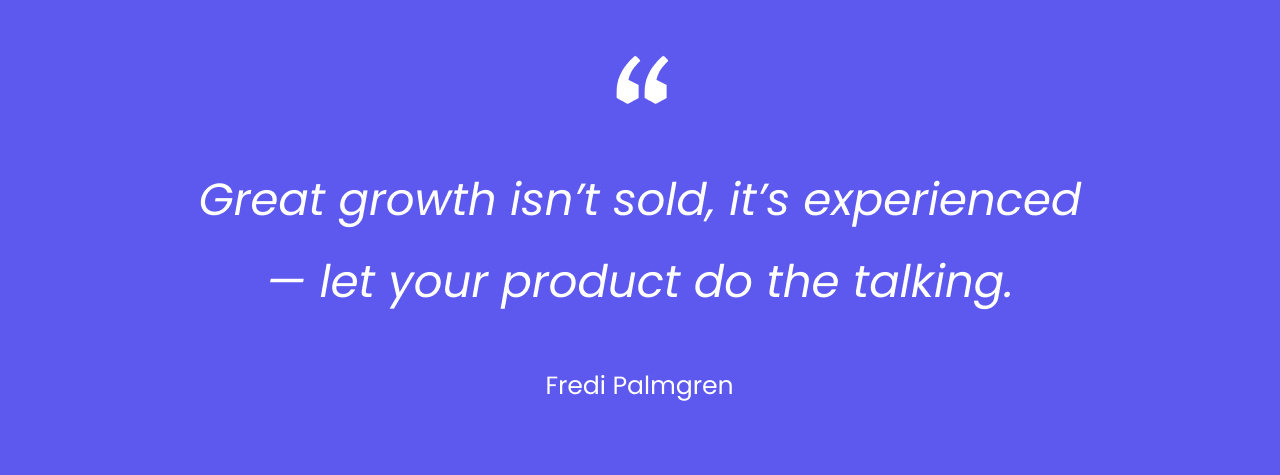
6 Key Principles of Product-Led Growth and a Product-Led Business
To effectively implement a product-led growth strategy, it’s essential to understand and apply the following foundational principles:
1. Prioritize Customer Experience (CX)
Delivering exceptional customer experiences is crucial for driving growth. This involves understanding customer needs, providing personalized interactions, and ensuring consistent satisfaction across all touchpoints. A positive CX fosters loyalty and encourages word-of-mouth referrals.
2. Prioritize User Experience (UX)
Creating a product that is not only functional but also intuitive and enjoyable to use is paramount. The user interface should be designed to minimize friction, making it easy for customers to navigate and quickly find value within the product. A seamless onboarding process is crucial; it sets the tone for how users perceive the product and can significantly impact retention rates.
3. Embrace Data-Driven Decision-Making for Better Product Adoption
In a product-led organization, analytics play a vital role in shaping product development and marketing strategies. By leveraging user data, companies can gain insights into user behavior, identify pain points, and understand what features drive engagement. This continuous feedback loop allows businesses to make informed adjustments, optimize the product experience, and ultimately enhance customer satisfaction.
4. Foster Cross-Functional Collaboration
Collaboration across teams is essential in a strategy focused on putting the product at the center of growth. Functions such as product development, marketing, and customer support must work together to create a unified approach to user engagement. This cooperation ensures that every team is aligned with the product vision and understands how their contributions impact the customer experience. By fostering a culture of teamwork and shared responsibility, organizations can create a more cohesive and effective approach to driving growth through the product.
5. Establish a Dedicated Top Product Growth Team
Implementing a growth team within the organization can further drive business growth. This team focuses on experimenting with different strategies to enhance user acquisition, activation, retention, and monetization. By continuously testing and iterating, the growth team can identify the most effective tactics to scale the business.
6. Leverage Free Trials and Freemium Models for Effective Monetization
Offering a free trial or adopting a freemium model allows potential customers to experience the product firsthand without any initial financial commitment. This approach not only increases product adoption but also builds trust, as users can fully explore the product’s features and value. By using a freemium model, companies can engage users at the entry level and then implement a monetization strategy focused on encouraging upgrades to premium plans, upselling advanced features, and even cross-selling complementary products or services.
By integrating these principles, organizations can effectively drive business growth through a product-led approach, positioning the product as the primary engine for customer acquisition, retention, and expansion while maximizing revenue opportunities through strategic monetization.
The Benefits of Product-Led Growth Strategy
Adopting a product-led growth (PLG) strategy offers significant advantages for SaaS companies:
- Faster Customer Acquisition: PLG enables quicker lead conversion by letting potential UX the product without barriers, shortening the sales cycle, essential in a competitive market.
- Enhanced Retention and Loyalty: Users who engage with a product that meets their needs are more likely to stay, reducing churn rates. Retaining customers in subscription models is cost-effective, and satisfied users often become advocates, driving organic growth through referrals.
- Culture of Innovation: PLG encourages continuous product improvements based on user feedback and data insights. This agility helps companies stay ahead of market trends and adapt to changing customer demands, ensuring long-term relevance and competitiveness.
Overall, a product-led approach boosts acquisition, retention, and innovation, driving sustainable growth in the SaaS industry.
Implementing Product-Led Growth in Your SaaS Business
Implementing product-led growth requires a strategic plan with several key steps to ensure successful execution:
- Cultivate a Product-Centric Mindset: Align the entire team, from product development to marketing, around the goal of delivering exceptional UX. Use training and workshops to reinforce the importance of the product in driving growth.
- Design a User-Friendly Onboarding Process: The onboarding experience is users’ first interaction with your product, setting the stage for future engagement. A well-structured process should guide users through key features, showcase value, and encourage action. Tools like in-app tutorials, guided tours, and contextual help can streamline this experience, helping users quickly understand and start using the product.
- Leverage Data for Product Management: Establish analytics systems to track user behavior, engagement, and feedback. Analyzing this data helps identify patterns, optimize the product, and inform future developments. Regularly reviewing insights keeps organizations agile and responsive to user needs, driving sustained growth.
By following these steps, SaaS companies can effectively implement a product-led strategy and enhance overall product management.
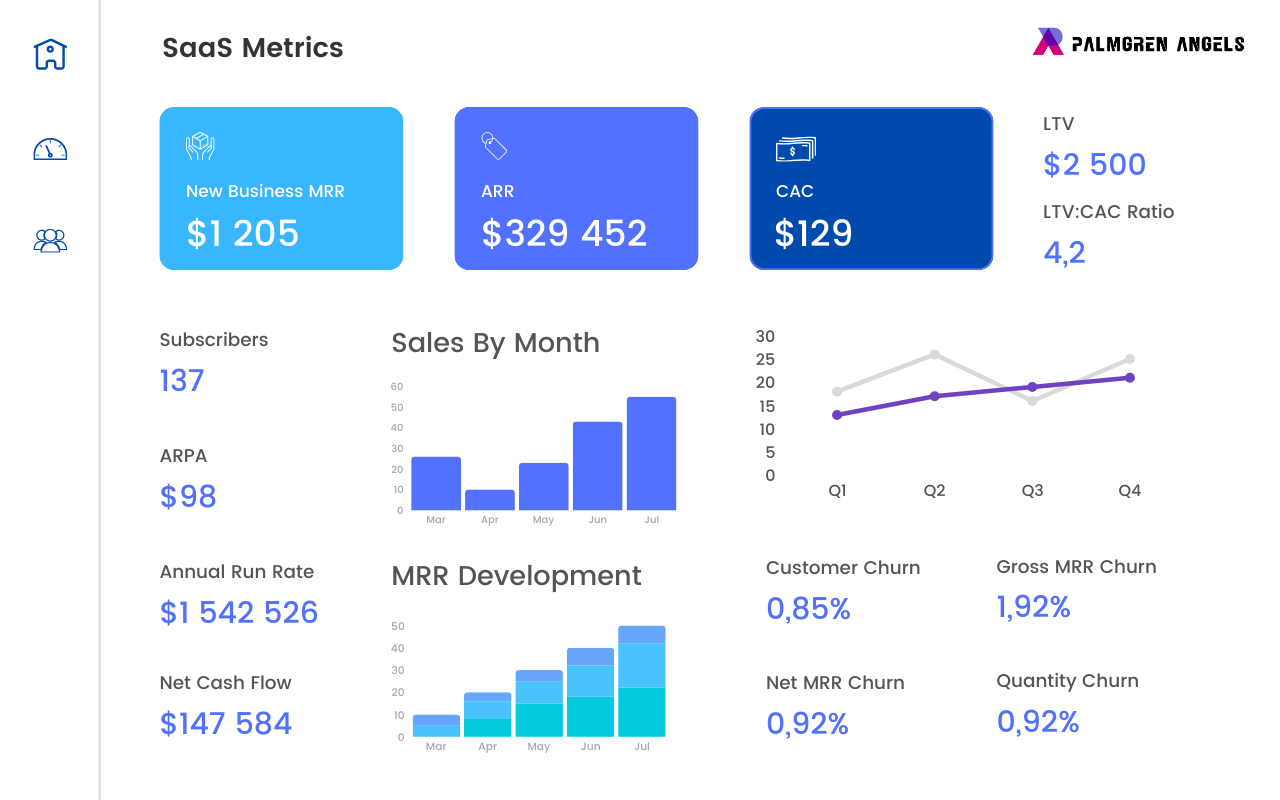
Key Metrics to Measure Product-Led Growth Success
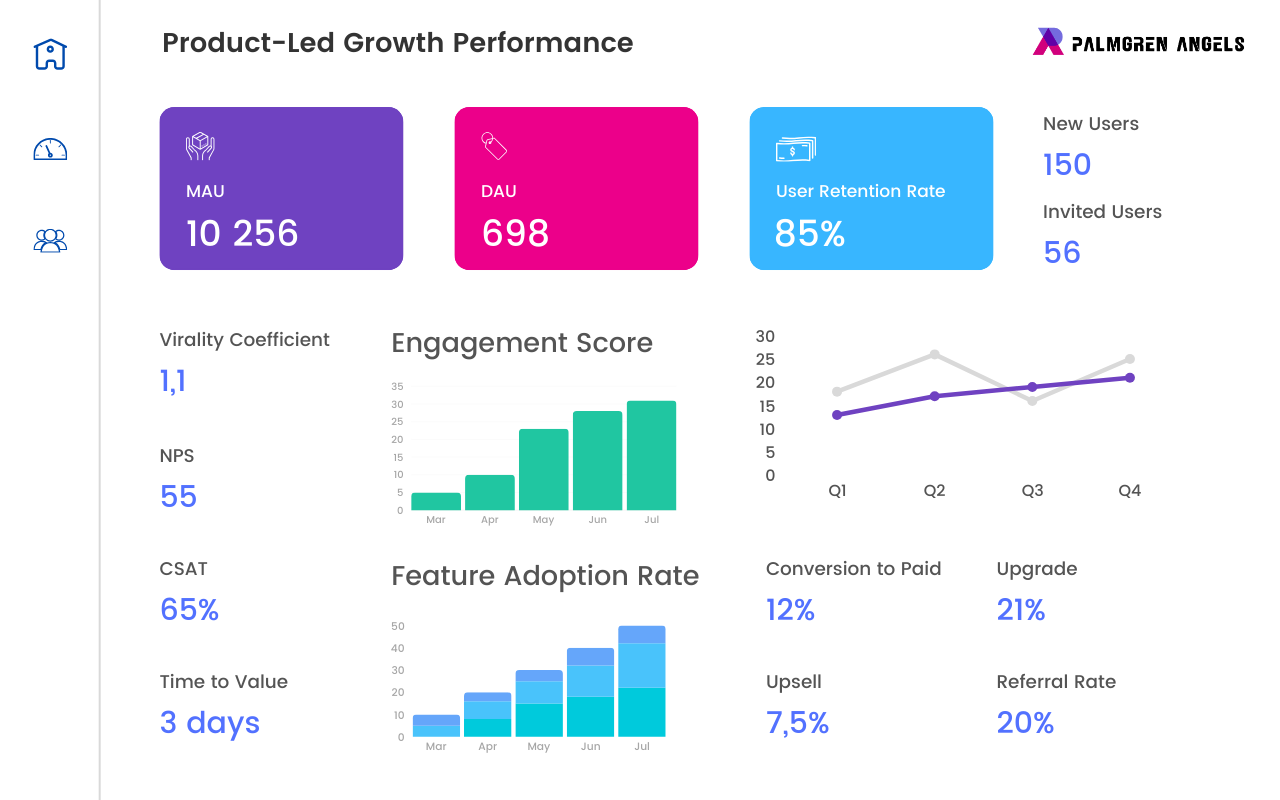
To effectively measure the success of this strategy, it’s crucial to track a variety of key metrics that provide insights into user engagement, acquisition, and retention. Here are the 10 top metrics you should monitor:
Top 10 Metrics for Measuring PLG Success1.User Activation Rate:
- Definition: The percentage of new users who complete the onboarding process and start deriving value from the product.
- Why It Matters: A high activation rate indicates a strong onboarding experience, while a low rate suggests a need for improvement in guiding users to their “aha” moment.
2.Customer Acquisition Cost (CAC):
- Definition: The cost associated with acquiring a new customer, including marketing and sales expenses.
- Why It Matters: PLG strategies often aim to reduce CAC by leveraging the product as the primary acquisition tool. A lower CAC improves profitability and scalability.
3.Customer Lifetime Value (CLV):
- Definition: The total revenue a company expects to earn from a customer throughout their entire relationship.
- Why It Matters: Tracking CLV helps evaluate the long-term value of a customer, especially when compared to CAC. A higher CLV-to-CAC ratio indicates efficient customer acquisition.
4.Churn Rate:
- Definition: The percentage of customers who cancel their subscriptions within a given period.
- Why It Matters: High churn rates can signal issues with product satisfaction or UX. Reducing churn is critical for maintaining sustainable growth.
5.Net Promoter Score (NPS):
- Definition: A metric that measures customer loyalty by asking how likely users are to recommend the product to others.
- Why It Matters: A high NPS score reflects strong user satisfaction and can indicate a high likelihood of organic referrals, fueling viral growth.
6.Monthly Active Users (MAU) and Daily Active Users (DAU):
- Definition: The number of unique users who engage with the product on a daily or monthly basis.
- Why It Matters: Tracking MAU and DAU helps gauge user engagement and retention. A growing number of active users suggests increasing product adoption.
7.Time to Value (TTV):
- Definition: The amount of time it takes for a user to experience the core value of the product.
- Why It Matters: A shorter TTV means users can quickly realize the product’s benefits, leading to higher activation rates and improved retention.
8.Expansion Revenue Rate:
- Definition: The percentage of revenue growth generated from existing customers through upsells, cross-sells, or feature upgrades.
- Why It Matters: A strong expansion revenue rate indicates that users are finding value in the product and are willing to invest in additional features or services.
9.Feature Adoption Rate:
- Definition: The percentage of users actively using key features of the product.
- Why It Matters: Understanding which features drive engagement helps prioritize product development and optimize UX.
10.Virality Coefficient:
- Definition: A measure of how many new users each existing user refers to the product.
- Why It Matters: A high virality coefficient indicates strong organic growth through user referrals, reducing the need for extensive marketing efforts.
By closely monitoring these key metrics, SaaS businesses can gain a comprehensive understanding of their Product-Led Growth performance. Tracking these indicators will help identify areas for improvement, optimize UX, and ensure sustainable, scalable growth.
Case Studies of Successful Product-Led Growth Companies in the SaaS Industry
Examining real-world case studies of successful PLG companies provides invaluable insights into the strategies and tactics that have propelled these businesses to new heights. By analyzing how industry leaders have implemented PLG, we can uncover the specific approaches that drive rapid user adoption, increase customer retention, and generate sustained revenue growth.
From innovative freemium models to viral referral programs, these examples highlight the versatility and effectiveness of a product-led approach, offering key lessons for any SaaS company looking to replicate their success.
Slack: Revolutionizing Workplace Communication
Slack, a collaboration platform, implemented a freemium model that allowed teams to use basic features for free while offering premium upgrades for advanced functionalities. This approach enabled users to experience the product’s value before committing to a paid plan, resulting in rapid user adoption and significant revenue growth. (Single Grain)
Dropbox: Leveraging Viral Growth Through Referrals
Dropbox, a cloud storage service, leveraged PLG from its inception. Dropbox’s referral program incentivized existing users to invite others by offering additional storage space for each successful referral. This viral strategy capitalized on the product’s inherent value and usability, leading to exponential user growth. Dropbox’s focus on providing an exceptional UX further solidified its position in the market, demonstrating the effectiveness of a PLG approach. (Referral Rock)
Notion: Gaining Traction Through Flexibility and UX
Notion, a productivity and collaboration tool, adopted a PLG strategy by offering a free version of its software that includes core features, allowing users to explore its capabilities. The user-friendly interface and flexibility of the product have contributed to its rapid adoption, with many teams transitioning to paid plans as they recognize the value it brings to their workflows. Notion’s journey illustrates how a well-executed strategy can lead to remarkable success in the competitive SaaS landscape. (Narrato)
Assembling Your PLG Team: Key Roles and Responsibilities
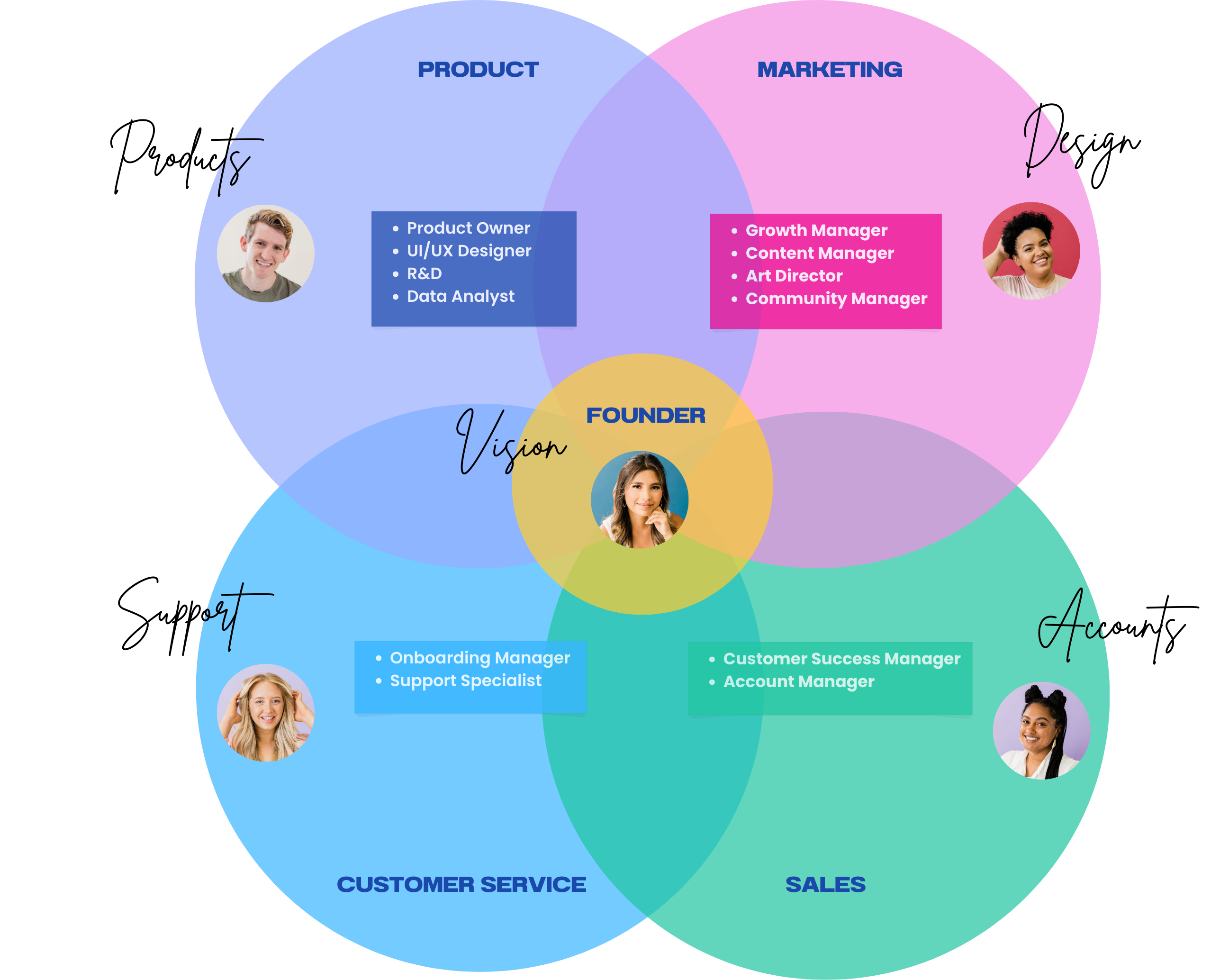
To effectively implement a Product-Led Growth (PLG) strategy, you need a balanced team across Product, Marketing, Customer Support, and Sales. In early-stage startups, the founder often handles multiple roles, making it crucial to prioritize tasks.
1. Product Team: The Growth Driver
- Product Owner: Manages the roadmap and aligns the product with user needs.
- UI/UX Designer: Creates an intuitive user experience.
- Data Analyst & Developer: Analyze user data and implement key features.
Founder Tip: Often acts as Product Owner, directly managing development and user feedback.
2. Marketing Team: Boosting Awareness
- Growth Manager & Content Manager: Drive user acquisition and create educational content.
- Community Manager & Video Creator: Engage users and showcase product value.
Founder Tip: May need to take on content creation and growth strategy initially.
3. Customer Support: Ensuring User Success
- Support Specialist & Onboarding Manager: Guide users and solve issues quickly.
Founder Tip: Handling customer inquiries early on helps gather critical feedback.
4. Sales Team: Converting Users
- Customer Success Manager & Account Manager: Foster customer relationships, upsell, and retain users.
Founder Tip: Build strong relationships with early adopters to drive upgrades and referrals.
Founder’s Role: In a lean startup, founders often bridge gaps across all functions. Prioritizing tasks and focusing on user feedback helps streamline the PLG process and accelerate growth. This integrated approach sets a solid foundation for scalable growth, even with limited resources.
Tools and Technologies to Support Product-Led Growth
To implement a product-led growth (PLG) strategy, SaaS companies can use various tools to boost user engagement and data analysis:
1. Product Analytics Platforms: Tools like Amplitude and Mixpanel track user behavior, engagement, and feature usage, providing insights to understand customer interactions and identify areas for improvement. These data-driven insights help enhance the UX and drive growth.
2. Customer Feedback Tools: Platforms like Intercom and SurveyMonkey gather direct user feedback, helping companies understand pain points, preferences, and satisfaction. This feedback allows for product iterations that better meet user needs.
3. Onboarding and Engagement Tools: Solutions like Pendo and Userpilot offer in-app guidance, tutorials, and support to streamline onboarding, helping users quickly find value in the product. Improved onboarding boosts activation rates and enhances overall satisfaction, supporting a successful strategy.
10 Essential Tools to Kickstart Your Product-Led Growth (PLG) Strategy
Implementing a strategy effectively requires leveraging a variety of tools and technologies that boost user engagement and provide actionable data insights. Here are 10 tools to help you get started:
HubSpot: A comprehensive CRM platform offering a suite of marketing, sales, and service tools. HubSpot allows businesses to attract, engage, and delight customers by providing a unified view of customer interactions, enabling personalized experiences, and supporting scalable growth. For effective implementation, it’s crucial to connect your own admin panel as a master arm to fully leverage HubSpot’s automation capabilities and integration features. (hubspot.com)
Stripe: A financial infrastructure platform for businesses, offering a suite of payment processing and financial services. Stripe enables companies to accept payments, manage subscriptions, and handle complex marketplace transactions, supporting scalable growth and enhancing UX. (Stripe.com)
Hotjar: A user feedback and behavior analytics tool offering heatmaps, session recordings, and surveys. Hotjar helps organizations understand user pain points, preferences, and satisfaction levels, facilitating product iterations that meet user needs effectively. (Hotjar)
- Intercom: A customer communication platform that combines chat support, in-app messaging, and automated surveys. Intercom enables real-time feedback collection, support provision, and user nurturing throughout their journey. (Userpilot)
- Userpilot: An onboarding and user engagement platform that helps create in-app tutorials, tooltips, and guided tours. Userpilot enhances the onboarding experience, assisting new users in quickly realizing the product’s value and increasing activation rates. (UserPilot Docs)
- Optimizely: A robust experimentation and A/B testing tool that allows testing of different product features and interfaces. Optimizely aids in making data-driven decisions, iterating on the product to improve UX and drive growth. (Amplitude)
- Mixpanel: A robust product analytics platform that tracks user behavior, engagement metrics, and feature usage. Mixpanel enables businesses to make data-informed decisions to enhance UX and drive growth. (Mixpanel)
- Leanlab: A digital co-creation platform designed to build understanding of various target groups, such as customers and employees, and to co-develop products and services. Leanlab combines quantitative and qualitative tools with a light ethnographic approach, facilitating customer profiling, behavior analysis, concept testing, and UX testing. (Leanlab)
- FullStory: A session replay and digital experience analytics tool that records user interactions on your website or app. FullStory provides deep insights into user behavior, identifying friction points and enabling teams to optimize the UX. By analyzing session data, businesses can uncover hidden issues, improve onboarding, and increase retention. (fullstory.com)
Segment: Acts as a customer data platform, collecting and routing user data to various tools for analytics and marketing purposes. (Pocus)
These are just some of the great tools you can utilize to build a data-driven, user-centric strategy, boosting user engagement and retention.
Overcoming Challenges in Implementing Product Led Growth
While the benefits of product-led growth (PLG) are significant, companies may face challenges during implementation:
- Resistance to Change: Employees used to traditional sales-led models may resist shifting to product-centric strategies. Overcoming this requires clear communication from leadership on PLG benefits and targeted training to help employees adapt to their new roles.
- Meeting Diverse User Needs: A product that works well for one market segment may not appeal to others. Companies must invest in user research and segmentation to tailor the product experience, increasing engagement and reducing churn.
- Balancing Product Development and Marketing: Ensuring that product teams stay agile and responsive to feedback while aligning with marketing strategies can be challenging. Clear communication and collaboration between teams help maintain this balance, allowing the product to evolve with market demands and effectively reach customers.
Building a Viral Engine: The Key to Exponential Growth
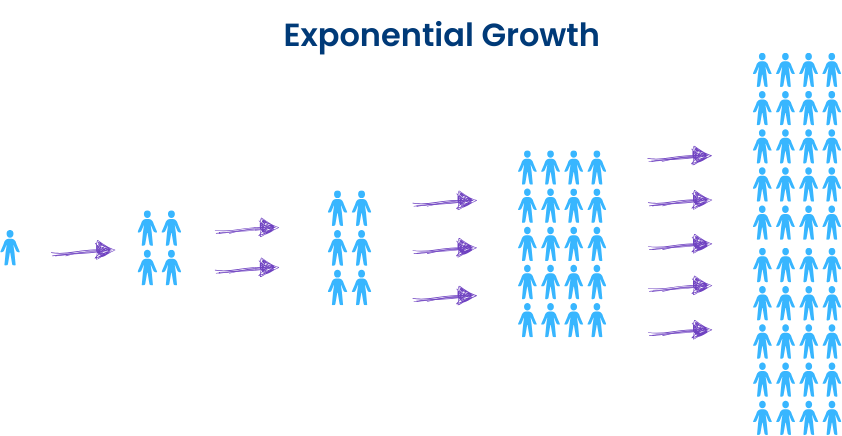
Creating a viral engine is often the final and most crucial component of a successful Product-Led Growth (PLG) strategy. While optimizing user experience, onboarding, and product value are vital, designing a viral loop that incentivizes users to share and invite others as they use your product can propel your business to exponential growth. This approach leverages your existing user base to organically attract new customers, boosting user engagement and accelerating product adoption. A well-executed viral engine can become a powerful driver of sustainable growth, reducing the need for expensive marketing campaigns.
What Is a Viral Engine?
A viral engine is a strategic system designed to encourage current users to refer new users, effectively turning satisfied customers into active promoters of your product. This growth model taps into word-of-mouth marketing, often using incentives like rewards or additional features to motivate sharing. The goal is to create a self-sustaining loop where existing users consistently bring in new users, driving down customer acquisition costs and speeding up growth.
Why the Viral Coefficient Needs to Be Over 1.1
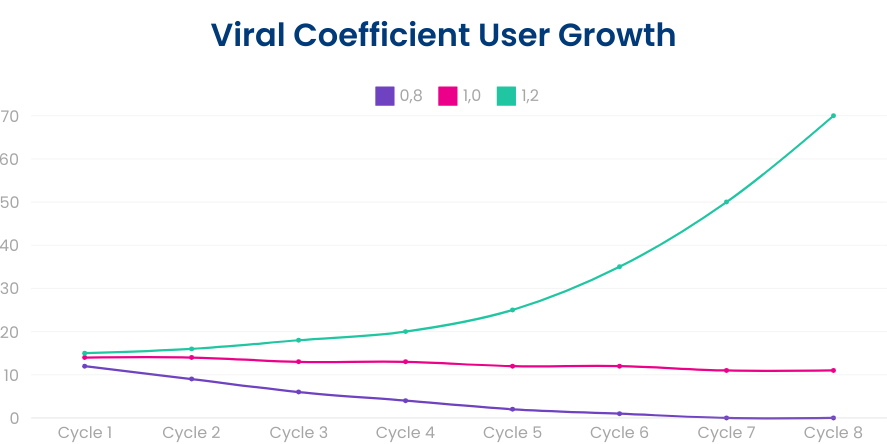
The viral coefficient is a metric that measures the number of new users generated by each existing user. To achieve exponential, “hockey stick” growth, your viral coefficient must be greater than 1.0. However, for sustained and significant growth, aiming for a viral coefficient of at least 1.1 or higher is essential.
- If the viral coefficient is less than 1.0 (e.g., 0.8): The growth is unsustainable, and the user base will gradually decline, as each user generates fewer than one new user.
- If the viral coefficient equals 1.0: The growth is linear, meaning the user base remains stable without expansion.
- If the viral coefficient exceeds 1.1: This triggers exponential growth, as each user brings in more than one new user, creating a compounding effect. This is the key to achieving the sought-after “hockey stick” growth curve, where the user base scales rapidly over time.
By focusing on building a strong viral engine and maintaining a viral coefficient above 1.1, SaaS companies can unlock a powerful, cost-effective pathway to rapid and scalable growth.
Why a Viral Engine Is Essential for PLG Success
A viral engine acts as a multiplier for your growth efforts. Instead of relying solely on traditional sales and marketing channels, you harness the power of your existing users to drive customer acquisition. This approach not only reduces customer acquisition costs but also builds a community of engaged users who advocate for your product. By focusing on creating a strong viral engine, you complete the PLG puzzle, setting your business up for sustainable, long-term success.
How to Create a Viral Engine for Your SaaS Business:
1.Design a Referral Program
One of the most effective ways to build a viral engine is through a well-structured referral program. Offer incentives like discounts, credits, or exclusive features to users who successfully refer others. For example, Dropbox’s famous referral program offered additional storage space to both the referrer and the referred user, driving exponential growth.
2.Focus on Shareable Features
Build features that encourage users to share your product with their network. Collaboration tools, social sharing options, and invite features can make it easy for users to spread the word. Products like Slack grew rapidly by offering seamless team collaboration and inviting users to bring in their colleagues.
3.Leverage User-Generated Content
Encourage your users to create and share content related to your product. This could be in the form of reviews, case studies, tutorials, or even social media posts. User-generated content serves as a powerful endorsement, building trust and attracting potential customers.
4.Incorporate Social Proof
Highlight your product’s popularity and user satisfaction with social proof elements like customer testimonials, user ratings, and live usage statistics. Seeing that others are using and enjoying your product can encourage new users to sign up and try it out.
5.Optimize Onboarding for Referrals
Integrate referral prompts directly into your onboarding process. When users experience a strong “aha” moment early on, they’re more likely to share the product with others. Guide them through the referral process at a point when they’ve realized the product’s value and are most excited to recommend it.
Conclusion: The Future of Product-Led Growth in the SaaS Industry
The future of product-led growth (PLG) in the SaaS industry is bright, as more companies embrace its advantages. With rising customer expectations, businesses must prioritize user experience and deliver immediate value. The demand for transparency and ease of use is driving accelerated adoption of PLG.
Advancements in technology will further enhance PLG with better analytics, user feedback tools, and engagement platforms. These developments will help companies refine their strategies, adapt quickly to market shifts, and foster innovation.
In summary, PLG is more than a trend; it’s a strategic shift in customer acquisition and retention. By focusing on the product, SaaS companies can drive sustainable growth, increase customer satisfaction, and secure long-term success. Those who master PLG will thrive in the evolving SaaS landscape.
1. What is PLG and how does it differ from traditional growth models?
Product-led growth is a business methodology where the product itself serves as the primary driver of user acquisition, expansion, and retention. Unlike traditional sales-led approaches, which rely heavily on a sales team to generate leads and close deals, PLG focuses on delivering exceptional user experience that encourages users to adopt and advocate for the product. This model is particularly effective for SaaS companies as it allows them to engage users directly through the product, often through mechanisms such as free trials or freemium products.
2. What are the key components of a successful product-led growth strategy?
A successful PLG strategy encompasses several key components: firstly, a focus on delivering a superior product experience that meets user needs; secondly, seamless onboarding processes that facilitate product adoption; thirdly, robust customer success initiatives that support users throughout their journey; and finally, the implementation of key product-led growth metrics to measure effectiveness. These components ensure that the saas product resonates with users and drives continual engagement.
3. How can SaaS companies implement a product-led model?
To implement a product-led model, SaaS companies should focus on building a product that offers immediate value upon first use. This involves extensive product development with user feedback in mind, creating intuitive interfaces, and providing resources such as tutorials and documentation. Additionally, PLG companies should consider offering a free product or free trial to lower the barrier to entry, allowing potential customers to experience the product firsthand before committing to a purchase.
4. What are the benefits of adopting a product-led growth approach?
The benefits of product-led growth include accelerated customer acquisition through lower marketing costs, improved customer experience due to a focus on usability, and enhanced revenue growth as satisfied users are more likely to convert into paying customers. Additionally, a product-led business can scale more effectively, as the product naturally encourages user engagement and referrals, creating a self-sustaining growth cycle.